
Trusted by teams across government, enterprise and mobility












Most platforms don’t fail.
They get worked around.
When a system is hard to use, people find another way. The work still gets done, just slower, outside the platform and out of sight.
Follow one approval
Before: three detours before it’s done
- Log in
- Find the request
- Check status
- Ask a colleague Waiting for a reply…
- Copy into a spreadsheet Manual entry
- Email for approval Stuck in an inbox
- Update the system
- Steps to finish
- 7
- Detours outside the platform
- 3
- Who can see the status
- Only you
Illustrative example of a typical internal approval.
Friction adds up.
A few seconds per task sounds harmless. Multiply it by every user, every task, every working day.
It also shows up as support tickets, constant retraining and features rebuilt after launch.
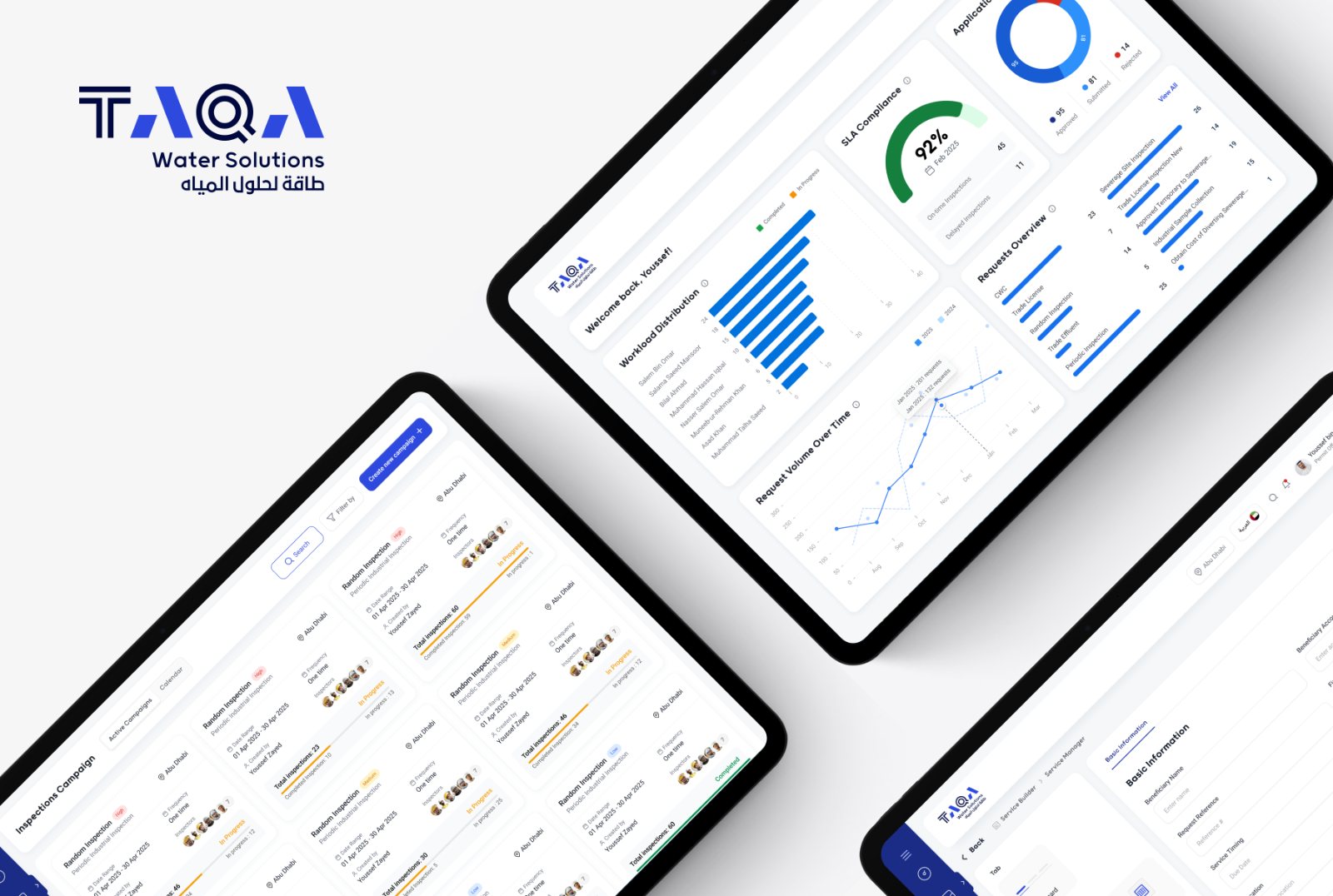
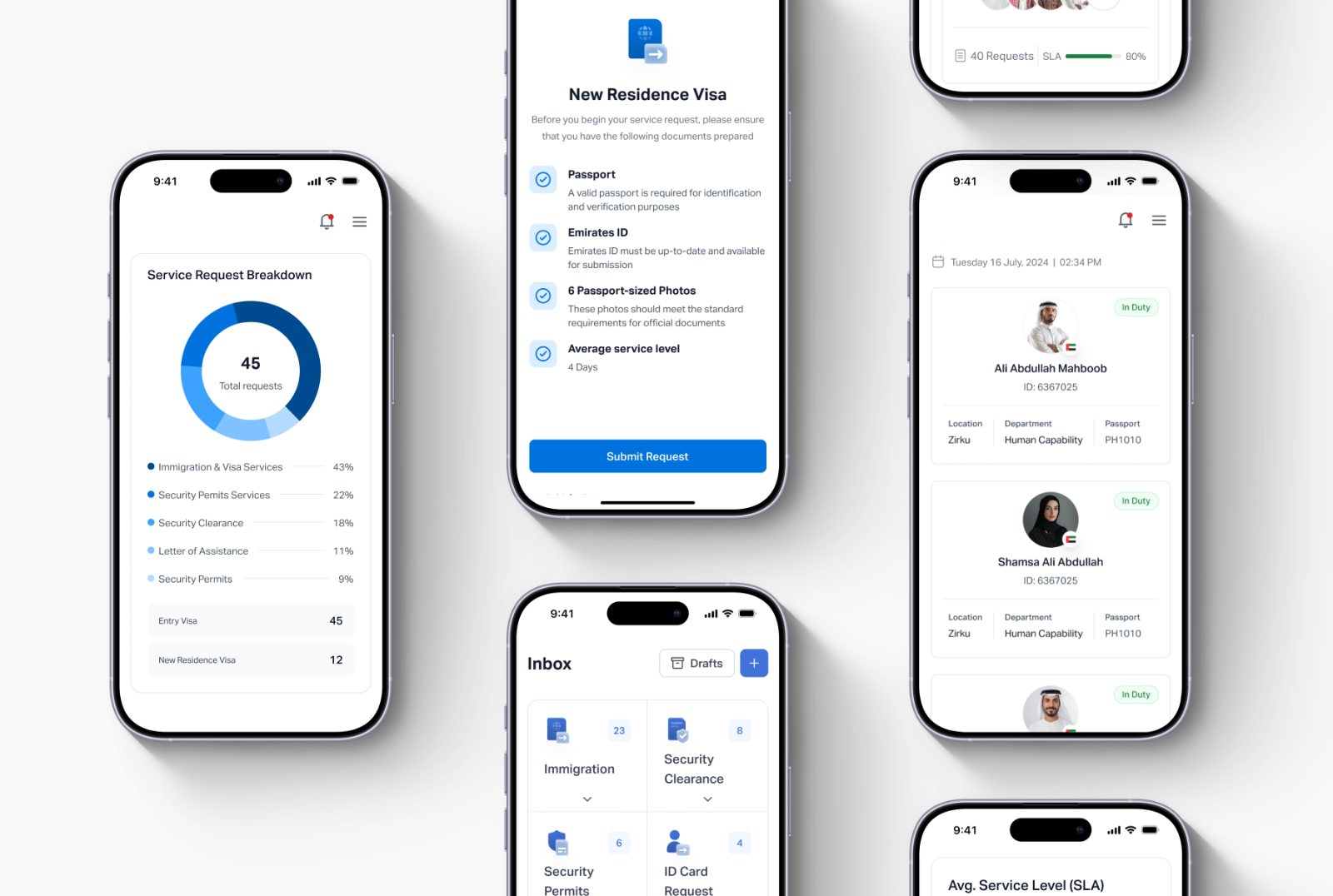
Proven where the stakes are high.
Government and enterprise platforms used every day by the teams that run them.
The Orbi Execution System
Research, design and structured delivery, so every screen ties back to a goal. Tap a stage to see what happens.
Audit & Understand
We review the current product, analytics and support data, and align with stakeholders on goals and constraints.
- You get
- A prioritised list of what’s in the way
- From your team
- Access to the product and a kickoff workshop
Every project starts with stage 1.
Book a 30-minute UX reviewFrequently asked questions
What clients usually ask before we start.
How much does UX and UI design cost?
Every project is quoted on its scope: the number of user types and journeys, how much research is needed, and whether a design system is included. You get a clear proposal after one call.
How long does it take?
A review of an existing product is much faster than a full redesign. We agree the timeline before we start, and you see work in progress from the first weeks.
Will this slow our developers down?
It usually speeds them up. Designs are validated and documented before a sprint starts, so there are fewer questions and fewer rebuilds.
Can’t we do this with AI tools?
We use AI ourselves for research synthesis and early concepts. It can generate screens, but it can’t interview your users or weigh your policies and edge cases. That judgment is what you’re hiring.
Why not hire an in-house designer?
For ongoing work, that can be the right call. A partner gives you research, UX, UI, design systems and engineering review now, without months of hiring, and we work well alongside in-house designers.
Do you design in Arabic?
Yes. We design bilingual English and Arabic interfaces, including right-to-left layouts, typography and components.